Turning Your Construction Crew into a Critical Security Asset
No matter how many cameras are installed or how advanced your monitoring systems are, construction site security starts—and often ends—with the people working the job every day. Your crew isn’t just responsible for building the structure. With the right training and guidance, they can also serve as your first line of defense against theft, vandalism, and unauthorized access.
According to the National Equipment Register (NER), the construction industry loses over $1 billion annually to theft. While many contractors invest in physical deterrents and mobile surveillance systems, the human factor is often overlooked. A disengaged or uninformed crew may unintentionally expose job sites to insider threats, neglected protocols, or preventable losses.
This article outlines how to implement effective theft prevention training for construction crews and integrate them into your broader job site surveillance strategy. When your team is empowered with knowledge and accountability, you gain a security force that’s always on the ground—even when the cameras miss something.
Why Security Awareness Starts with the People on the Ground?
Construction sites are active, ever-changing environments. Crews interact with every zone of the site daily, from tool trailers and laydown areas to entry gates and equipment storage. This makes them uniquely positioned to spot vulnerabilities and deter threats—if they’re trained to look.
The risks they can help manage include:
- Unsecured tools left out at end of shift
- Unfamiliar vehicles entering or lingering
- Strangers walking the site without PPE or badges
- Improper tool storage or check-out procedures
When workers aren’t involved in the security conversation, these moments pass unnoticed. But when they’re equipped with the tools to recognize and respond, they become the site’s most responsive layer of construction theft prevention.
Key Elements of Theft Prevention Training for Construction Crews
How Do You Recognize Suspicious Behavior on a Construction Site?
Recognizing suspicious behavior on a construction site includes identifying individuals without visible credentials, vehicles lingering near fence lines or blind spots, and unauthorized access to trailers or storage areas. Unusual actions during breaks, early arrivals, or late stays are also red flags. Regular weekly security spot checks help crews stay alert and prevent theft.
Theft prevention starts with observation. Crews should be taught to identify:
- Individuals walking alone without visible credentials
- Vehicles parked near fence lines or in blind spots
- Workers accessing trailers or storage zones without authorization
- Unusual behavior during breaks, early arrivals, or late stays
Consider running short weekly “security spot checks” during toolbox talks to reinforce awareness.
Tool and Material Accountability
According to workforce behavior studies, lack of clear tool tracking is a major cause of both unintentional loss and internal theft.
Train your crew to:
- Use check-in/check-out systems for tools
- Never leave tools in vehicles overnight
- Store all equipment in locked containers after hours
- Report missing tools immediately—not the next day
Assign clear accountability for daily tool audits, even on smaller crews. Shared responsibility leads to fewer lapses.
End-of-Day Lockup Procedures
Without clear protocols, it’s easy for one crew to assume another secured the site. Establish and train staff on a consistent end-of-day lockup routine:
- Secure trailers, tool boxes, and heavy machinery
- Inspect fence lines, gates, and lighting systems
- Confirm all mobile surveillance units are operational and positioned
- Ensure material staging zones are not visible from public roads
Make end-of-shift security checks part of the sign-out process.
Reporting Risks or Policy Violations
Encourage a culture of open communication. Crew members should feel empowered to report:
- Faulty locks, broken lights, or obstructed cameras
- Suspicious individuals on or near the job site
- Colleagues who repeatedly leave tools unsecured
- Signs of vandalism or tampering
Offer anonymous reporting options if needed, and recognize employees who speak up.
Reducing Insider Threats Through Culture and Communication
While external threats often get the most attention, insider threat prevention is just as important. Insider theft can include:
- Workers stealing tools or materials for resale
- Employees providing site access to accomplices
- Subcontractors overstaying or entering off-hours
To reduce this risk:
- Vet subcontractors thoroughly and verify identification on arrival
- Rotate tool storage responsibilities to avoid access monopolies
- Enforce strict policies around key, badge, and code usage
- Educate workers on the financial and job consequences of theft
Foster a culture where every crew member understands that protecting the site protects their jobs, their teammates, and their schedule.
How Crew Training Supports Job Site Surveillance and Monitoring?
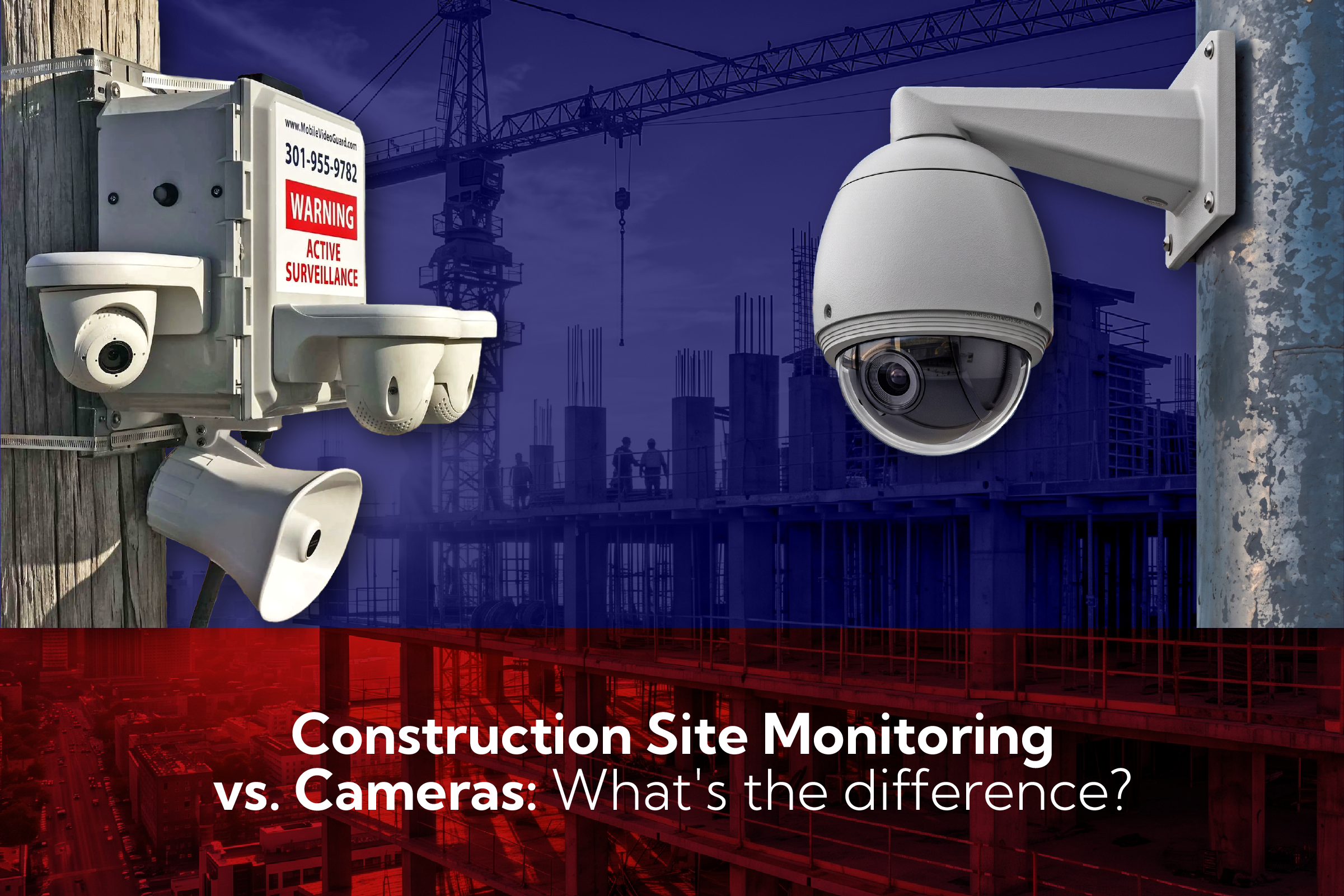
Crew training strengthens job site surveillance by adding a human layer to camera-based monitoring. Alert workers deter theft, watch blind spots, and report suspicious activity in real time. They also help interpret footage by providing on-site context. When trained crews work alongside mobile surveillance systems, response times improve and overall construction site security becomes more effective.
Here’s how trained crews complement mobile surveillance systems:
- Reinforce deterrence: Thieves are less likely to act when they know the crew is watching.
- Extend coverage: Crews can monitor blind spots or areas not actively covered by surveillance.
- Report in real time: Workers can communicate suspicious activity to site supervisors or monitoring partners like Mobile Video Guard.
- Improve incident resolution: Trained workers can provide context to video footage or identify unknown individuals seen on camera.
By integrating the human layer with surveillance tech, site managers get more accurate data, better response times, and more resilient construction site security.
How Mobile Video Guard Helps You Build a Security-Minded Team?
Mobile Video Guard helps build a security-minded team by combining mobile surveillance with crew training and clear protocols. We support onboarding, deliver real-time alerts, and use deterrents like two-way audio and strobes. Crews provide feedback, reinforce on-site action, and follow shared checklists—making security a daily habit, not just a backup system.
Here’s how we help crews become your first line of defense:
- Onboarding support: We educate foremen and team leads on site-wide security protocols.
- Real-time alerts: Our monitoring agents communicate with designated site contacts when suspicious activity occurs—giving trained crews a chance to verify or respond.
- Integrated deterrents: Cameras include two-way audio and strobe lights, which your team can help reinforce with on-the-ground action.
- Incident feedback: If your team identifies a security concern, we can review footage and adjust monitoring patterns accordingly.
- Resource sharing: We provide theft prevention signage, end-of-day checklists, and audit tools to help teams stay consistent.
With Mobile Video Guard’s mobile surveillance systems and training collaboration, security becomes a daily habit—not just an after-hours measure.
Conclusion: Security Is a Team Effort from the Ground Up
In today’s environment, security can’t be left to cameras alone. Construction crews are uniquely positioned to support job site surveillance, prevent loss, and respond to threats—if they’re trained and empowered to do so.
With clear policies, hands-on training, and a supportive site culture, your team becomes an active participant in construction theft prevention. They spot problems faster. They respond with purpose. And they protect the project they’re building—day and night.
To learn how Mobile Video Guard can help you pair real-time monitoring with crew-based vigilance, visit Mobile Video Guard, explore our full construction site security solutions, or speak with a security expert to build your next job site defense plan.